



 Analysis by Gamescozy
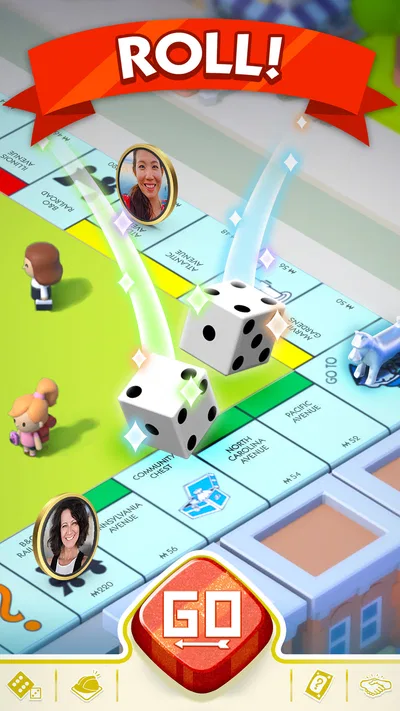
The first thing I noticed about MONOPOLY GO! is how quickly it gets to its point: roll, move around a familiar board, and watch a small turn become part of a much brighter, more animated version of Monopoly. I find it easy to open for a short break because the board is readable at a glance and its playful presentation makes even a brief visit feel like a complete little session. The catch is that this is not a full digital recreation of the tabletop game. It reshapes Monopoly into a mobile board game built around quick actions and ongoing progress, so it suits a different mood than a long, face-to-face match.
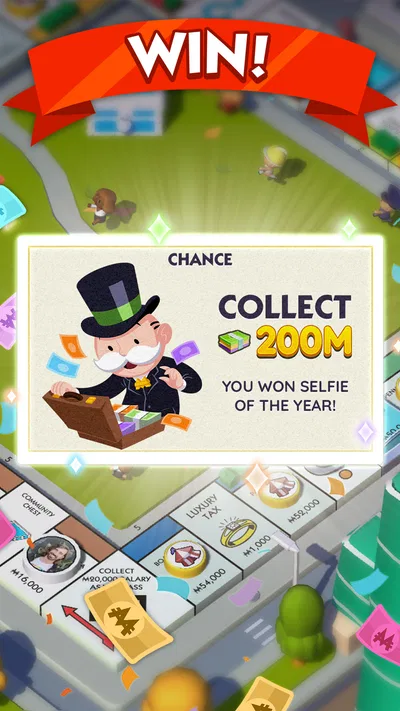
A familiar board with its own visual language
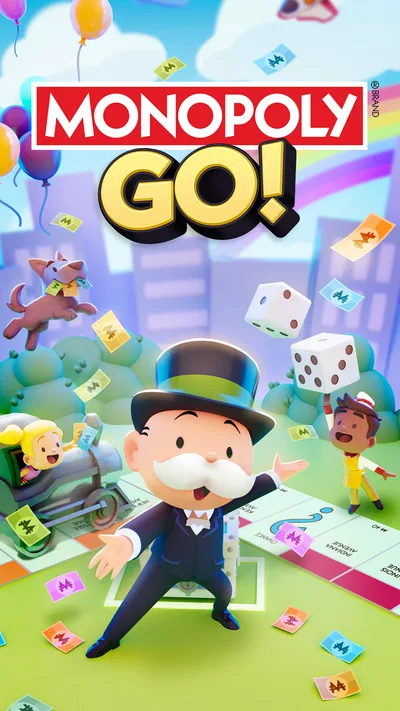
Scopely gives the game a cheerful, toy-like style rather than trying to imitate a physical board exactly. The familiar Monopoly imagery provides an immediate point of reference, while the colorful presentation keeps the screen lively without making the route around the board difficult to follow. That balance matters: effects and decoration are part of the fun, but I can still tell where I am and what my roll has done.
The board is more than a static backdrop. Moving around it gives the session a sense of place and forward motion, while the Monopoly theme makes the actions feel connected to a recognizable world. I like that the visual identity does not ask me to learn a new setting before I can enjoy a turn. If you already know the board-game look, you can settle in quickly; if you do not, the bright, friendly style still makes the game approachable.
That approach also sets expectations. This is a board game with Monopoly’s visual vocabulary, not an attempt to reproduce every social negotiation and drawn-out decision of the classic game. I would not choose it when I want to sit across a table from friends, argue over a trade, and watch a match develop over a long stretch. I would choose it when I want a light, recognizable board-game theme that works on a phone.
Why the presentation works on a small screen
Mobile games can become cluttered when the board, animation, and extra activity compete for attention. Here, the strong theme helps each turn read as part of one coherent experience: the board remains the anchor, and the movement around it gives the action a simple visual rhythm. I find that useful when I am playing in short bursts, because I do not need to spend a minute reorienting myself every time I return.
There is a trade-off, though. The lively treatment can make the game feel busier than a plain tabletop board, and people who prefer restrained visuals may find the constant sense of activity a little much. For me, the style is a good fit for casual mobile play, but it is not the reason to pick the game if what you want is a quiet, minimalist puzzle.
Sound that supports a quick session
The sound belongs to the same playful world as the visuals: it helps turns feel animated instead of making the board seem like a static screen. I appreciate sound most when it reinforces an action without demanding that I stop and listen closely. That suits a game I might open while waiting for something, rather than one I reserve for an uninterrupted evening.
In everyday use, I would treat audio as a matter of preference, not a requirement for understanding the game. If I am playing in a quiet room, the sound can add character; if I am on a commute or sharing a space, the visual feedback is the part I would rely on. The mood still comes through when I keep my phone quiet, which makes it easier to fit a session around other activities.
The pacing is similarly suited to quick visits. Rolling and moving provide a clear beat, and the board gives each action a visible destination. That is satisfying when I have only a few minutes, but anyone looking for sustained, careful strategy may find the turn-to-turn rhythm too light. The appeal is less about weighing a complex chain of moves and more about enjoying a brisk, themed cycle of play.
What the mechanics are—and are not
At its core, you roll dice and move around the board. That familiar loop is easy to grasp, which is one reason I can recommend it to someone who has not played many mobile board games. But the game’s mobile format changes the feel: it is not the same as gathering people around a physical Monopoly set, where bargaining, table talk, and everyone’s attention shape the evening.
This difference is worth understanding before downloading. If your favorite part of classic Monopoly is negotiating with other players in person, the mobile version is not a substitute for that experience. If you would rather have a casual game you can dip into without arranging a group or committing to a full tabletop session, the format makes more sense. Its appeal lies in being accessible and self-contained, not in recreating every social detail of the original.
A useful way to approach it is to decide in advance how you want a session to fit your day. I would open it for a brief break, enjoy a few turns, and leave rather than expecting every visit to become a long play session. That keeps the pacing pleasant and helps me avoid treating each return as an obligation. It is also a better match for people who like games that can be picked up casually than for those who want uninterrupted, competition-focused play.
Playing with friends without making it a tabletop night
The game is presented as something to enjoy with family and friends, which makes its familiar theme an easy conversation starter. Still, I would set expectations clearly: playing a mobile adaptation together is not the same as passing dice around a table. If the group wants shared laughter and face-to-face deals, the board game on a table is the stronger choice. If people want a casual mobile diversion connected to a recognizable game, this version has a more convenient role.
That distinction is especially helpful when choosing a game for a mixed group. Someone who enjoys quick phone sessions may find the format welcoming, while a dedicated tabletop player may miss the negotiation and longer strategic arc. I would recommend it to friends who want a light shared theme rather than promising that it delivers the complete social experience of Monopoly.
Progress, spending, and sensible expectations
The game is free to download, but it includes optional in-app purchases priced from $0.99 to $199.99 per item. That is a wide range, so I would check the purchase prompt carefully and decide on a personal spending limit before tapping through anything. The free entry point makes it easy to try, but it does not mean every optional purchase is a good value for every player.
My practical advice is to enjoy the basic loop first and only consider spending if you understand what an offered purchase does and genuinely want it. If you are choosing a game for a child, that conversation is worth having before play begins. The age rating is Everyone, but an all-ages rating does not replace sensible household rules around optional purchases.
Another useful trade-off is between convenience and depth. The simple roll-and-move premise is easy to revisit, but the simplicity may not hold the attention of someone who needs a lot of tactical choice in every turn. If you usually prefer strategic board games with extensive planning, a more substantial digital board-game adaptation will probably serve you better. If you mainly want a cheerful, low-friction way to spend a spare moment, the streamlined format is a strength rather than a flaw.
Who I would recommend it to
I think it is best for players who like the Monopoly theme, want something easy to understand, and enjoy playing in short windows of free time. It can suit a quick pause between errands or a relaxed moment at home when I do not want to organize a full game night. The familiar board makes it less intimidating than a mobile game that begins with a dense set of rules, and the bright presentation gives those small sessions a distinct mood.
I would suggest skipping it if you want the full tabletop experience, a deep strategy challenge, or a subdued game with minimal visual activity. I would also be cautious if optional spending is a concern in your household: the game is free to start, but purchases are part of the package. In those cases, a physical Monopoly game or a more strategy-focused board title may be a better match for what you want.
A popular, current mobile version
MONOPOLY GO! is a free board game from Scopely, released on April 11, 2023, and its current version is 1.79.2. It has a 4.6 average from around 3.2 million ratings, with roughly 318,000 written reviews, and has passed 100 million installs. Those figures point to a game many people have tried, but they do not guarantee that its particular mix of quick turns and lively presentation will suit you.
It supports devices running Android 7.1 or later. For a prospective player, the more important question is whether the game’s format matches the kind of Monopoly experience they want. I see it as a convenient, highly stylized mobile take on the board-game idea, not a replacement for the tabletop original and not a deep strategy game in disguise.
My verdict on its atmosphere
What holds the experience together is the fit between theme, movement, and pacing. The board gives each turn a clear visual destination, the cheerful art makes the world inviting, and the brisk rhythm works well for short visits. The game is at its best when I treat it as a casual mobile diversion and let its familiar setting do the welcoming, rather than expecting it to deliver the slower social pleasures of a game night.
I would recommend it to a friend who wants an approachable Monopoly-themed game to open during spare moments, especially if they enjoy colorful presentation and uncomplicated turns. I would point a strategy-minded friend toward a deeper board game, and I would choose physical Monopoly when the goal is conversation around a shared table. With those expectations in place, this is an easy game to understand and a pleasant one to revisit—provided its optional purchases and lighter style fit your preferences.